
Welcome to Our Lab

The Agard Lab is dedicated to the study of the world through the lenses of Ecology and Animal Behavior. We conduct long-term short-term studies using a mix of experimental and observational design. to study the intricate ecological relationships, understand novel behaviors, and make predictions about what the world of reptiles and amphibians will look like in the future. Our work primarily takes place in the United States southwest and northeast.
Our Projects page will be available soon. There you can learn all of the details of the things the team is working on. Stay tuned!
What the Agard Lab does
Our lab members are primarily undergraduate students, so as a part of their training to become researchers they not only learn to design studies, collect data, and analyze data. Our lab tries to engage our community in research as well. The three major areas of our lab work are Ecology, Animal Behavior, and Science Communication
Ecology
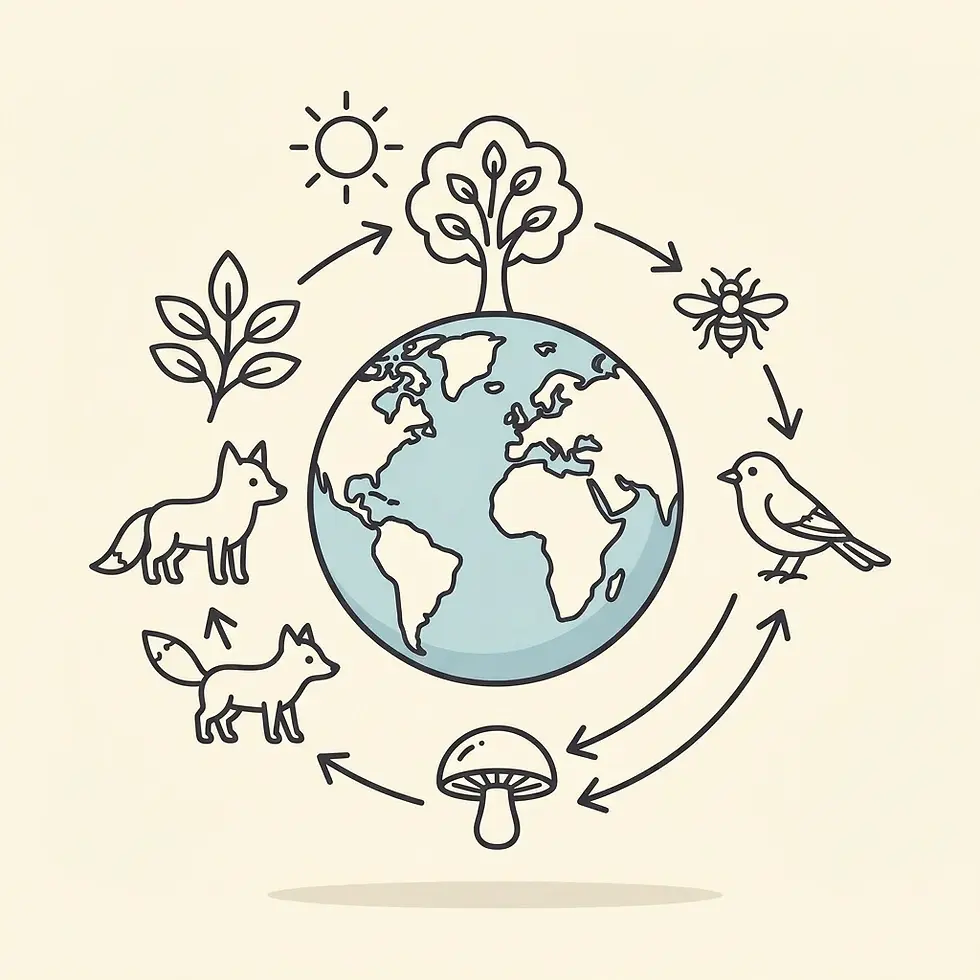
Everything is connected to everything else in our world. Ecology is the study of those connections, or interactions among the living things (the biotic environment), among the non-living things (the abiotic environment), and between the living and non-living of our environment. Ecology has taught us that even the organisms that seem insignificant can matter on a global scale

Animal Behavior
Animal Behavior is the study of what animals do, how they do it, and why. It is a really cool field that can be very tricky to study. For instance, how would you figure out why one species of vole is monogamous (only mates with one other individual) when a related species is not monogamous?

Science Communication
Scientists, as a group, have been notoriously boring to listen to and terrible at explaining what we do and why. That's been changing, though, and for the better. There are many of us scientists who recognize how important it is to tell the story of our work so that the rest of the world can make sense of it and see its value. We're in that group, too.